One of the first questions after taking handover of a developer apartment is: how long will all this take? And rightly so — finishing time affects not just comfort, but also budget, delivery scheduling, move-in date and the level of stress on the investor’s side.
The most honest answer: finishing a 50–70 m² apartment most often takes around 8 to 14 weeks, but the real timeframe depends on standard, scope of MEP changes, material decisions, crew availability and whether the project is well prepared right after the unit handover.
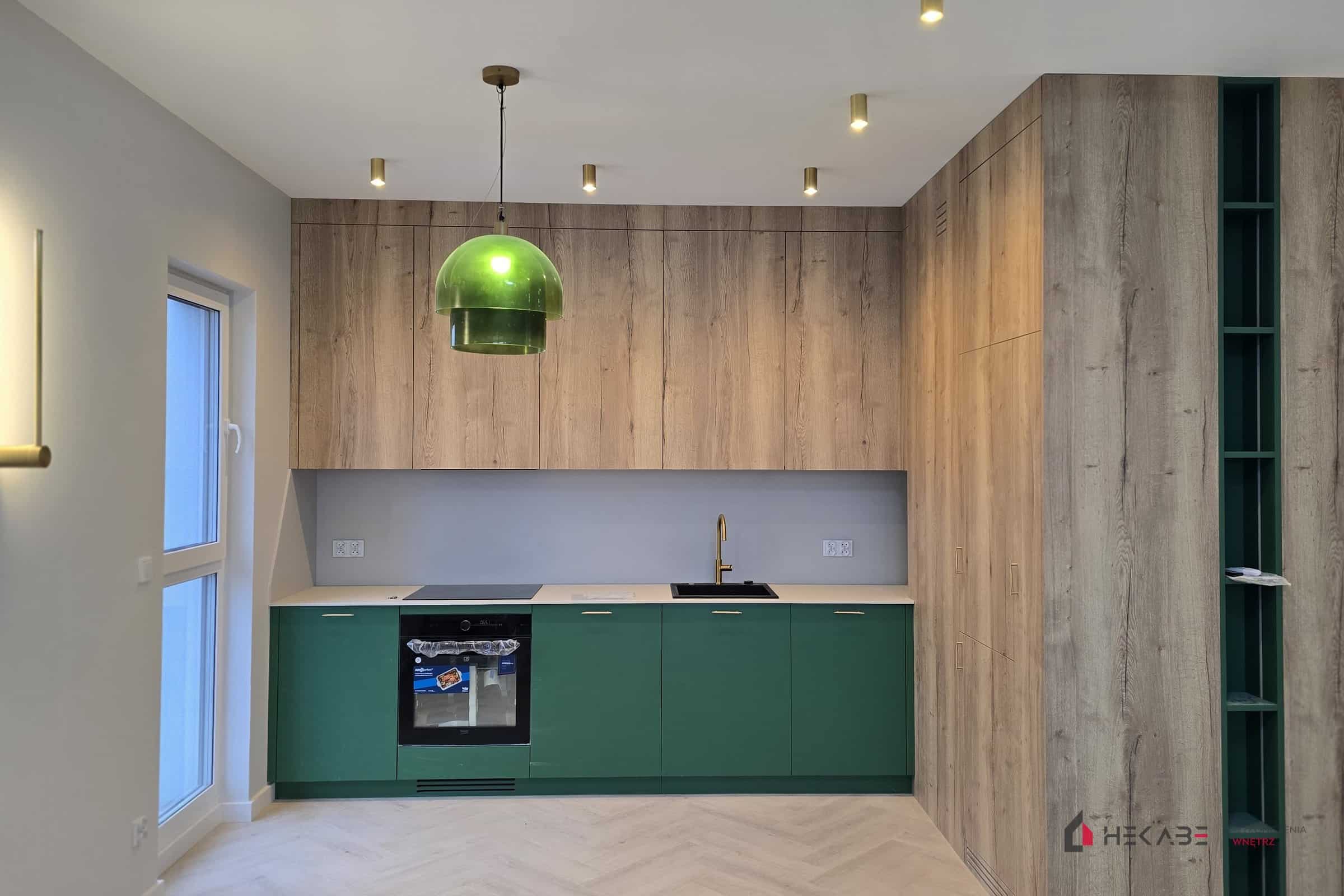
Indicative finishing schedule
Stage 1
1–2 weeks
Measurements, site protection and MEP changes.
Stage 2
2–3 weeks
Substrates, plastering, painting and wet-zone preparation.
Stage 3
3–4 weeks
Bathroom, tiles, floors, doors and white installation.
Stage 4
2–4 weeks
Built-ins, final installations, snagging and detail handover.
Why is it so hard to give one honest timeframe?
Because the same square meterage can mean a completely different scope of works. A unit that just needs an organised turnkey standard is one thing — an apartment with many MEP changes, extensive joinery, microcement, built-ins and harder material logistics is something else entirely.
Time is also affected by whether the apartment is ready to start right after handover, or whether developer snagging needs to be closed first, the design refined and deliveries synchronised with the works schedule.
How long does finishing a 50 m² apartment take?
With a well-prepared unit and smooth coordination, a 50 m² apartment can usually be finished in around 8–11 weeks. That doesn’t mean every project closes in the same time, but this range is an honest reference for a standard developer apartment.
A typical course of work looks like this:
- preparation, measurements, protection and access organisation,
- MEP and construction works, if changes are needed,
- plasters, substrates, painting,
- tiling, bathroom and wet zones,
- floors, doors, white installation,
- built-in mounting and finishing detail.
If the investor makes decisions quickly and orders materials in advance, this timeframe can usually be held without nervously rushing the final stretch.
How long does finishing a 70 m² apartment take?
For a 70 m² apartment, you usually need to assume a larger margin. The realistic timeframe is most often around 10–14 weeks, and with a more elaborate standard or many details, the schedule may stretch even further.
More square meterage isn’t just more area. It often also means:
- more MEP points,
- a larger scale of painting and floor works,
- more elaborate joinery and built-ins,
- harder coordination of deliveries and installations.
In practice, the bigger the apartment, the more the quality of the schedule matters — not just the pace of a single crew.
What does finishing time really depend on?
1. Apartment condition after handover
If the unit has uneven floors, plaster snagging, joinery problems or delayed developer reports, the schedule starts slipping before works even begin. That’s why it’s worth combining the start of finishing with a properly executed developer apartment handover.
2. Scope of MEP changes
The more changes in electrical, plumbing, lighting points and functional layout, the bigger the impact on the timeline. These aren’t just additional working hours — they also mean a different sequence of operations and more points where several trades have to be synchronised.
3. Finishing standard
A simple turnkey standard, a well-closed design and a calm material aesthetic usually speed up delivery. Timeframes grow when there’s a lot of custom joinery, large-format tiles, microcement, illuminated built-ins or elaborate detailing.
4. Deliveries and investor decisions
Many delays don’t come from construction itself, but from late decisions, missing approved materials or items ordered too late. Doors, fittings, tiles, custom furniture and lighting can shift the schedule more than the labour itself.
What most often delays apartment finishing?
- no closed scope before crews arrive,
- decisions changed during the works,
- materials or built-ins not ordered on time,
- prolonged developer-handover snagging,
- underestimating installation and finishing times,
- poor coordination between trades.
This is exactly why two apartments of similar size can end up with handover dates several weeks apart.
What does a safe schedule for the investor look like?
The most reasonable approach is not one rigid date, but a schedule with a buffer. In practice, this means that besides the main stages, you reserve room for inter-trade handovers, detail corrections, unexpected delivery shifts and final installations.
For the investor, the safest model is one where the move-in date isn’t planned tight to the last week of works. Then any slippage doesn’t immediately turn into a logistical crisis.
When to order materials, doors and built-ins?
As early as the scope is confirmed. In practice, this means key elements should be settled in parallel with the schedule — not only when construction is approaching the end.
- tiles and fittings should be locked well in advance of the bathroom,
- doors and floors require accounting for production lead times,
- built-in furniture should be planned ahead, since their installation usually closes the entire process.
In a well-led project these decisions don’t happen by chance — they’re part of the entire turnkey interior finishing process.
Can you finish an apartment faster?
Sometimes yes — but it’s worth separating honest schedule shortening from apparent acceleration. Faster delivery is possible when the design is closed, materials are chosen, decisions are quick and trade coordination is strong. If someone promises a very fast date without these conditions, it usually ends in chaos or simply a drop in quality.
How does Hekabe approach schedule planning?
From the investor’s perspective, the most important thing isn’t who quotes the shortest date — it’s whether that date is realistic. So it’s better to honestly settle scope, priorities, deliveries and sequencing than to promise a schedule that falls apart at the first change.
If you want to see what completed projects look like under this model, check Hekabe projects and the Ceglana apartment.
Frequently asked questions
How long does finishing a 50 m² apartment take?
Most often around 8–11 weeks, if the apartment is well prepared and the scope of works and materials are locked in early enough.
How long does finishing a 70 m² apartment take?
Most often around 10–14 weeks, although with a more elaborate standard and joinery the timeframe may be longer.
What most often delays turnkey finishing?
Most often delayed material decisions, snagging after handover, MEP changes and weak coordination of deliveries and installations.
When to order materials and built-ins?
Best right after closing the scope and schedule, since these are the elements that most strongly affect the final apartment handover date.
Want to realistically calculate the timeframe for your apartment?
If you’re taking handover of an apartment in Katowice or across Silesia, we’ll prepare not just a quote, but also a real work plan that takes scope, standard and the order of investor decisions into account.
See also interior design if you want to combine planning with execution.
See also
If you’re planning interior finishing in Katowice or across Silesia, continue to related services, projects and other Hekabe guides.