Apartment handover from a developer is a moment many people treat too formally: walk in, look around, take the keys and start finishing. In practice, this is one of the stages that strongly impacts the cost, pace and peace of mind of your renovation later on.
The better the handover, the lower the risk that after your contractor enters, you’ll discover floor problems, damaged windows or installation issues that should have been caught earlier.
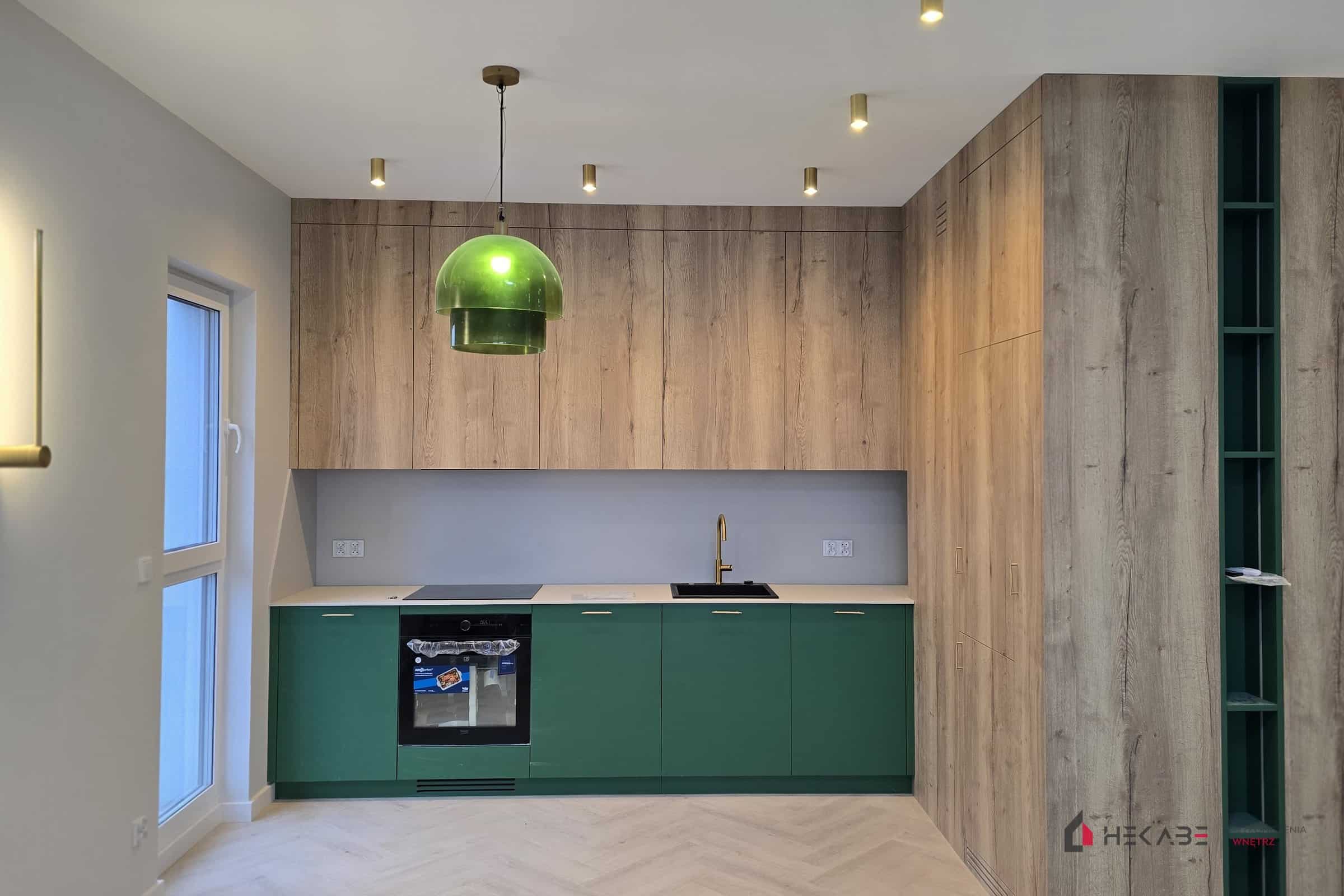
Minimum handover checklist
Walls and ceilings
Cracks, unevenness, damage and corners.
Floors
Levels, damage and preparation for finished flooring.
Joinery
Windows, balcony doors, sills and tightness.
Installations
Electrical points, plumbing and ventilation.
Why is apartment handover so important before finishing?
A properly conducted handover is not just a defect list for the developer. It’s also the moment when you assess whether the unit is truly ready for entry with a project and a finishing crew. If certain problems are noticed too late, fixing them can delay the entire schedule or increase the cost of work.
In practice, the biggest issue arises when an investor treats the handover as a formality and only starts checking the details that matter for further finishing several days later.
What to bring to an apartment handover from a developer?
Even a simple set of tools helps a lot and lets you approach the handover calmly and concretely.
- tape measure or laser distance meter,
- spirit level,
- flashlight,
- notebook or phone for photo documentation,
- printed checklist,
- apartment plan, if you already have one.
If the apartment is to be finished quickly, it’s worth thinking at this stage not just about defects but also about how the unit looks from the perspective of future installations, built-ins and the order of work.
Checklist: what to check during apartment handover?
1. Walls, ceilings and plaster
Check whether surfaces are even, whether there are no cracks, scratches, corner damage or spots requiring corrections. Even if you plan to apply a smoothing layer, it’s not worth ignoring obvious problems, because some of them should still be corrected by the developer.
2. Floors and levels
Floor evenness is later hugely important for tiles, laminates, vinyl and built-in installation. Pay attention to whether there are no excessive deviations, damage or spots that may require additional levelling.
3. Windows, balcony doors and sills
Check whether sashes operate smoothly, whether there are no scratches, damage, leaks or closing problems. This is especially important before the finishing stage, because once the interior is secured and crews enter, every late complaint simply becomes harder.
4. Electrical installation
It’s worth checking the layout of points, compliance with documentation and whether there are no obvious deviations. Even if you plan later changes, it’s good to know the starting state right away.
5. Plumbing installation
Pay attention to the layout of connections and compliance with assumptions. This is particularly important for the kitchen, bathroom, laundry room and all areas where every shift in installation means additional time and cost.
6. Ventilation and humidity
It’s worth checking grilles, airflow and the general condition of rooms. Concerning signals are dampness, stains, unpleasant odors or moisture lingering very long after construction work.
7. Documents and handover findings
Every defect should be entered into the protocol. Overly general descriptions are an easy way to misunderstandings later. The more specifically a problem is recorded, the easier it is to enforce it later.
Most common investor mistakes after handover
- signing the protocol too quickly without calm inspection,
- lack of photo documentation,
- skipping seemingly minor defects that later complicate the finishing,
- no plan for what happens immediately after handover,
- entering with the crew without organized scope and schedule.
That’s exactly why apartment handover should be treated as the beginning of a well-organized investment, not just a formal step to collect the keys.
What to do right after handover, before the crew enters?
The best scenario is to combine handover with a plan for further work. After receiving the apartment, it’s worth:
- organizing the defect list and timeline for their removal,
- confirming the target finishing scope,
- checking measurements for design and built-ins,
- preparing a schedule for crew entries and material deliveries,
- calculating base budget and reserve.
If you handle this stage well, the finishing itself usually goes much more smoothly. That’s why it’s worth planning the next steps right after handover, instead of starting everything “from scratch” only a few weeks later.
If you’re buying a unit on the secondary market, the starting point is different than at developer handover. In that case, jump straight to the guides on what to check before buying an apartment for general renovation and how to start a secondary market apartment renovation.
When does apartment handover impact finishing cost?
It impacts more often than you’d think. If certain defects are overlooked, the cost of working around or fixing them often gets shifted to the finishing stage. This particularly applies to uneven floors, joinery damage, moisture problems or inconsistencies at installation points.
If you’re planning a fast project, also see turnkey interior finishing and Hekabe projects. This will make it easier to assess not just the standard but also the order of actions after unit handover.
Frequently asked questions
What to bring to an apartment handover from a developer?
Minimum: tape measure, spirit level, flashlight, phone for photos, and a checklist. The most important thing, however, is a calm approach and noting everything that raises doubts.
Does technical handover impact later finishing cost?
Yes. The better the unit is verified at the start, the lower the risk of later corrections, delays and additional costs after the crew enters.
What defects are reported most often?
Most often problematic: evenness of walls and floors, window joinery, surface damage, and discrepancies in point placement.
When can you enter with the finishing crew after handover?
Best after organizing the defect list, taking measurements and confirming the work scope. This usually saves the most time and stress.
Want to move from handover straight to a concrete finishing plan?
If you’re receiving an apartment in Katowice or anywhere in Silesia, we’ll prepare a quote for you and advise how to move from handover to a smooth project without chaos and random decisions.
If you want to combine handover, planning and execution into one process, also check developer apartment finishing in Katowice and interior design.
See also
If you’re planning interior finishing in Katowice or Silesia, continue to related services, projects and further Hekabe guides.